
A Safer Approach to Alzheimer’s Treatment
We are developing new treatments designed to slow Alzheimer’s disease while reducing side effects and making care easier for patients and families.
About Us
Alzora Bio is a research team based at the University of Southampton working to develop new treatments for Alzheimer’s disease.
Our focus is on creating safer treatments that aim to slow the progression of the disease while reducing side effects and the need for frequent hospital visits.
We are working with patients, carers, and healthcare professionals to better understand real experiences and ensure future treatments are designed to support quality of life as well as clinical outcomes.
Help Shape the Future of Alzheimer’s Treatment
We want to hear from people living with Alzheimer’s and those who support them. Your experiences and views will help us understand what matters most when it comes to new treatments.
Removing Harmful Proteins
Our research focuses on removing harmful proteins in the brain that are linked to Alzheimer’s disease, helping to slow its progression.
Designed to Be Safer
We are working to reduce side effects seen in current treatments, helping to make therapies safer and easier for patients to tolerate.
What This Could Mean for Patients and Families

More People Could Access Treatment
Some current Alzheimer’s treatments are only suitable for a small number of people due to side effects. By making treatments safer, we hope more patients can benefit.
Benefit: More people may be eligible for treatment
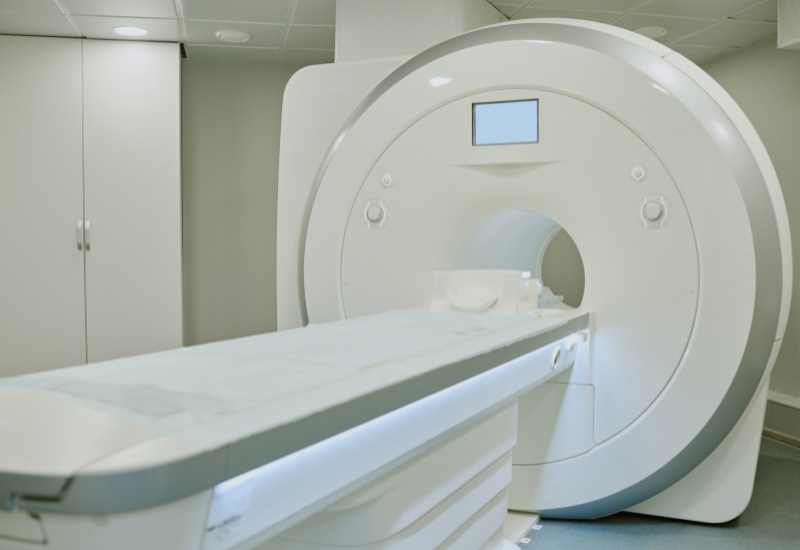
Less Need for Monitoring
Current treatments can require regular hospital visits and brain scans. Safer treatments could reduce the need for frequent monitoring, making care easier for patients and carers.
Benefit: Fewer hospital visits and less disruption

Treatment at an Earlier Stage
Safer treatments may allow people to start treatment earlier, when it could have the greatest impact on slowing the disease and maintaining independence.