
Advancing Safer Alzheimer’s Antibody Therapies
Alzora Bio is developing next-generation immunotherapy designed to maintain efficacy while reducing ARIA risk, monitoring burden, and barriers to clinical adoption.
About Us
Alzora Bio is a research group based at the University of Southampton focused on developing next-generation antibody therapies for Alzheimer’s disease. Our work centres on improving the safety profile of amyloid-targeting treatments while maintaining clinical efficacy.
We are part of the ICURe Explore programme, working closely with clinicians, researchers, and industry stakeholders to understand real-world adoption, clinical integration, and partnership opportunities.
Help Shape the Future of Alzheimer’s Treatment
We are gathering insights from clinicians and industry professionals to better understand adoption, safety, and real-world implementation. Your input will help guide the development of safer, more effective Alzheimer’s therapies.
Targeted Amyloid Clearance
We develop engineered antibodies that target and remove disease-causing amyloid from the brain, maintaining the core mechanism of existing therapies.
Reduced Side Effects
Our approach is designed to reduce immune overactivation, lowering the risk of inflammation, microbleeds, and brain swelling associated with current treatments.
Key Applications & Opportunities

Expanding Patient Eligibility
Current antibody therapies are limited by safety concerns, restricting treatment to a small proportion of patients. Our approach aims to expand the eligible population through improved safety.
Impact: Up to 3x increase in eligible patients
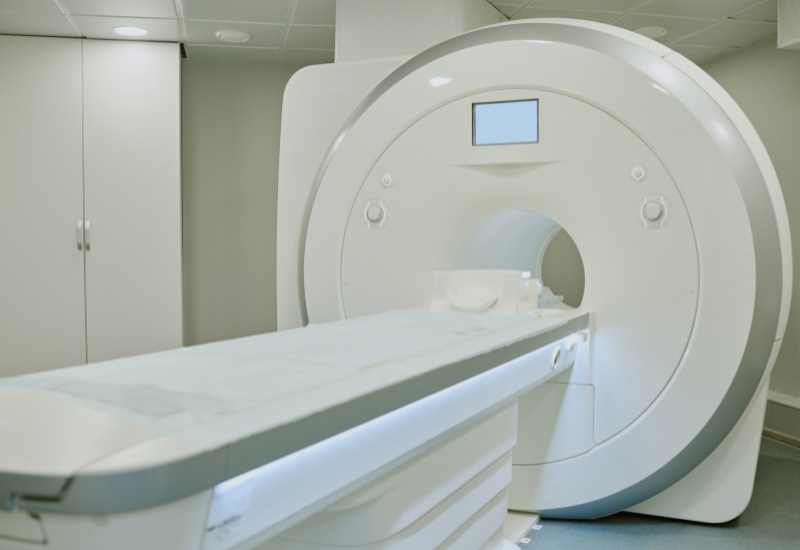
Reducing Monitoring Burden
Frequent MRI monitoring is a key barrier to adoption. By reducing the risk of ARIA, our approach has the potential to lower the need for intensive imaging and ease pressure on healthcare systems.
Impact: Lower MRI demand & system cost

Enabling Earlier Intervention
A safer antibody profile could support treatment earlier in disease progression and allow for more effective dosing strategies, improving long-term patient outcomes.